
 September 14, 2026
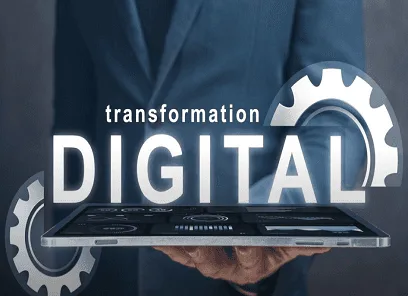
Digital Transformation in 2026: Why Businesses Can No Longer Afford to Delay
7
Nov
 DisCOM
 Technology
 0 Comments
Digital Transformation in 2026: Why Businesses Can No Longer Afford to Delay
The pace of technological change has accelerated dramatically over the past few years. What was once considered a long-term modernization initiative has become a business necessity. In 2026, organizations that delay digital transformation risk falling behind competitors, losing operational efficiency, and missing opportunities for growth.
Digital transformation is no longer just about adopting new technologies. It is about fundamentally improving how businesses operate, serve customers, and make decisions in an increasingly digital world. From cloud computing and artificial intelligence to business automation and data analytics, modern technologies are helping organizations become more agile, productive, and resilient.
What Is Digital Transformation?
Digital transformation refers to the integration of digital technologies into business processes, operations, and customer interactions. The goal is to improve efficiency, enhance customer experiences, and create new opportunities for innovation.
Successful digital transformation goes beyond implementing software. It involves rethinking workflows, optimizing processes, and creating a culture that embraces continuous improvement.
Why Digital Transformation Matters More Than Ever
Businesses today face increasing pressure from changing customer expectations, market competition, and economic uncertainty. Organizations that rely on outdated systems and manual processes often struggle to keep pace with evolving demands.
Digital transformation helps businesses:
- Improve operational efficiency
- Reduce manual workloads
- Increase business agility
- Enhance customer experiences
- Strengthen decision-making through data insights
- Support scalable growth
Organizations that invest in modern technologies are better equipped to respond to market changes and maintain a competitive advantage.
The Role of Cloud Technology
Cloud computing has become the foundation of digital transformation. Cloud-based platforms provide businesses with the flexibility, scalability, and accessibility needed to support modern operations.
Key benefits include:
- Lower infrastructure costs
- Enhanced security and reliability
- Remote access to business applications
- Faster software deployment
- Simplified system maintenance
Cloud solutions allow organizations to focus on growth and innovation rather than managing complex IT infrastructure.
How Artificial Intelligence Is Reshaping Business Operations
Artificial intelligence is transforming how organizations work by automating repetitive tasks, improving decision-making, and delivering personalized experiences.
Businesses are using AI to:
- Automate customer support
- Analyze business data
- Generate reports and insights
- Improve forecasting accuracy
- Enhance employee productivity
AI-powered tools such as Microsoft Copilot are helping organizations streamline operations while enabling teams to focus on higher-value activities.
Business Process Automation: Doing More with Less
Manual processes often slow down operations and increase the likelihood of errors. Automation enables businesses to eliminate repetitive tasks and improve overall efficiency.
Common automation use cases include:
- Invoice processing
- Approval workflows
- Employee onboarding
- Customer service requests
- Inventory management
By automating routine processes, organizations can reduce costs, improve accuracy, and accelerate business performance.
The Importance of Data-Driven Decision Making
Modern businesses generate vast amounts of data every day. However, data only becomes valuable when it can be transformed into actionable insights.
Digital transformation enables organizations to:
- Access real-time information
- Monitor key performance indicators
- Identify emerging trends
- Improve forecasting
- Make informed strategic decisions
Businesses that leverage data effectively are often more responsive, efficient, and competitive.
Strengthening Customer Experiences
Customer expectations continue to evolve, and businesses must deliver fast, personalized, and seamless interactions across multiple channels.
Digital solutions help organizations:
- Improve response times
- Personalize customer engagement
- Offer self-service options
- Enhance service quality
- Build long-term customer loyalty
Exceptional customer experiences often become a key differentiator in competitive markets.
Overcoming Common Digital Transformation Challenges
While the benefits are significant, many organizations face challenges during their digital transformation journey.
Common obstacles include:
- Resistance to change
- Legacy system limitations
- Budget constraints
- Lack of technical expertise
- Data migration complexities
Working with experienced technology consultants can help businesses overcome these challenges and ensure successful implementation outcomes.
How Technology Partners Accelerate Success
Choosing the right technology partner is critical for achieving digital transformation goals. Experienced consultants help businesses evaluate requirements, select appropriate solutions, and manage implementation effectively.
Technology partners provide support through:
- Digital transformation strategy development
- Cloud migration planning
- ERP implementation
- Business process optimization
- AI and automation adoption
- Ongoing support and training
Their expertise helps organizations maximize the value of their technology investments.
Conclusion
Digital transformation is no longer an option—it is a strategic requirement for businesses seeking long-term growth and competitiveness. Organizations that embrace cloud technology, artificial intelligence, automation, and data-driven decision-making are better positioned to adapt to change and capitalize on new opportunities.
As businesses continue to evolve in 2026 and beyond, investing in digital transformation will remain one of the most effective ways to improve efficiency, enhance customer experiences, and build a foundation for sustainable success.
We Are Awesome.
A business consulting agency is involved in the planning, implementation, and education of businesses. We work directly.


.webp "LinkedIn")
Leave a Message
Recent Posts
 September 11, 2026
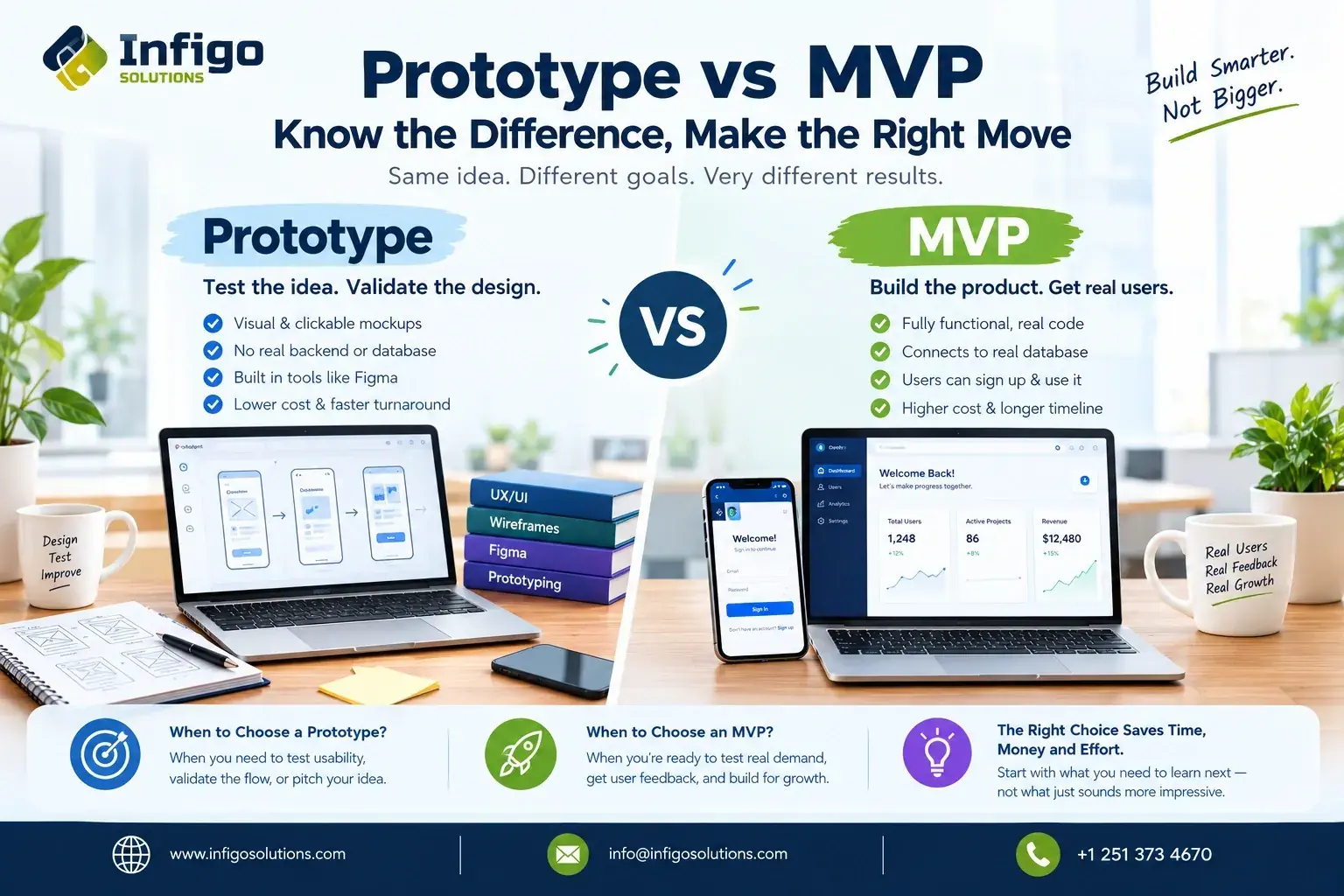
Prototype vs MVP: What's the Difference and Which Do You Need First?
 September 9, 2026
Comments
No comments yet. Be the first to comment!