
 September 14, 2026
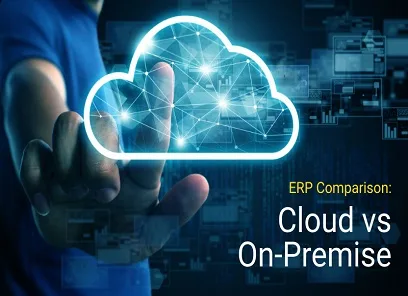
Cloud ERP vs On-Premises ERP: Which One Is Right for Your Business in 2026?
7
Nov
 DisCOM
 Business
 0 Comments
Cloud ERP vs On-Premises ERP: Which One Is Right for Your Business in 2026?
Choosing the right ERP (Enterprise Resource Planning) system is one of the most important technology decisions a business can make. In 2026, organizations are increasingly moving toward cloud-based solutions, but on-premises ERP systems are still relevant for certain industries and business models.
Understanding the differences between these two approaches is essential for selecting a solution that aligns with your operational needs, budget, and long-term growth strategy.
What Is Cloud ERP?
Cloud ERP is a software solution hosted on remote servers and accessed through the internet. Instead of maintaining physical infrastructure, businesses subscribe to ERP services provided by a vendor.
This model allows organizations to manage core business functions such as finance, inventory, sales, and human resources from anywhere, using any connected device.
What Is On-Premises ERP?
On-premises ERP is installed locally on a company’s internal servers and managed by its IT team. Businesses have full control over the system, including infrastructure, security, and customization.
While this approach offers greater control, it also requires higher upfront investment and ongoing maintenance responsibilities.
Key Differences Between Cloud ERP and On-Premises ERP
Deployment and Accessibility
Cloud ERP systems can be deployed quickly and accessed remotely, making them ideal for distributed teams and hybrid work environments. On-premises systems, however, are typically restricted to internal networks and require more complex setup processes.
Cost Structure
Cloud ERP generally follows a subscription-based model with lower initial costs. On-premises ERP requires significant upfront investment in hardware, software licenses, and IT infrastructure.
Over time, cloud ERP often proves more cost-efficient for growing businesses.
Maintenance and Updates
Cloud ERP providers handle updates, security patches, and system maintenance automatically. In contrast, on-premises systems require in-house IT teams to manage upgrades and troubleshooting.
This difference significantly impacts long-term operational workload.
Scalability
Cloud ERP systems are highly scalable and allow businesses to add users, features, and storage as needed. On-premises ERP scalability depends on hardware capacity and often requires additional investment.
For fast-growing businesses, cloud ERP offers greater flexibility.
Security and Control
On-premises ERP provides complete control over data and security configurations, which may be important for organizations with strict compliance requirements.
Cloud ERP providers also offer strong security measures, including encryption and regular monitoring, but data is managed externally.
Benefits of Cloud ERP
Cloud ERP has become the preferred choice for many modern organizations due to its flexibility and ease of use.
Key advantages include:
- Faster implementation
- Lower upfront costs
- Remote accessibility
- Automatic updates and maintenance
- Easier scalability
- Improved collaboration across teams
These benefits make cloud ERP ideal for small, medium, and growing enterprises.
Benefits of On-Premises ERP
Despite the shift toward cloud solutions, on-premises ERP still offers value in specific scenarios.
Advantages include:
- Full control over infrastructure
- Custom security policies
- Offline system access
- Greater customization flexibility
- Suitable for highly regulated industries
Organizations with complex compliance or security requirements often prefer this model.
Industry Trends in 2026
In 2026, the ERP landscape is being shaped by several key trends:
- Increased adoption of cloud-native ERP systems
- Integration with AI and automation tools
- Real-time data analytics and reporting
- Mobile-first ERP access
- Greater reliance on Microsoft ecosystem solutions such as Dynamics 365 and Copilot
These trends are pushing businesses toward more agile and intelligent ERP platforms.
How to Decide Which ERP Model Is Right for You
Choosing between cloud and on-premises ERP depends on several factors:
- Business size and growth plans
- Budget and IT resources
- Security and compliance requirements
- Industry-specific needs
- Remote work requirements
- Integration with existing systems
For most modern organizations, cloud ERP offers a better balance of flexibility, cost efficiency, and scalability.
Role of Technology Partners in ERP Selection
Selecting and implementing an ERP system is not just a technical decision—it is a strategic business move. Working with experienced consultants helps organizations choose the right solution, avoid costly mistakes, and ensure successful implementation.
Technology partners assist with:
- ERP requirement analysis
- Vendor selection and comparison
- System configuration and customization
- Data migration and integration
- Training and user adoption
- Ongoing support and optimization
Conclusion
Both cloud ERP and on-premises ERP have their advantages, but the right choice depends on your business priorities and long-term goals. In 2026, cloud ERP continues to gain momentum due to its flexibility, lower costs, and scalability, making it the preferred option for most organizations.
However, businesses with strict security or compliance requirements may still benefit from on-premises solutions.
By carefully evaluating your needs and working with an experienced technology partner like Infigo Solutions, you can select an ERP system that supports efficiency, innovation, and sustainable business growth.
We Are Awesome.
A business consulting agency is involved in the planning, implementation, and education of businesses. We work directly.


.webp "LinkedIn")
Leave a Message
Recent Posts
 September 11, 2026
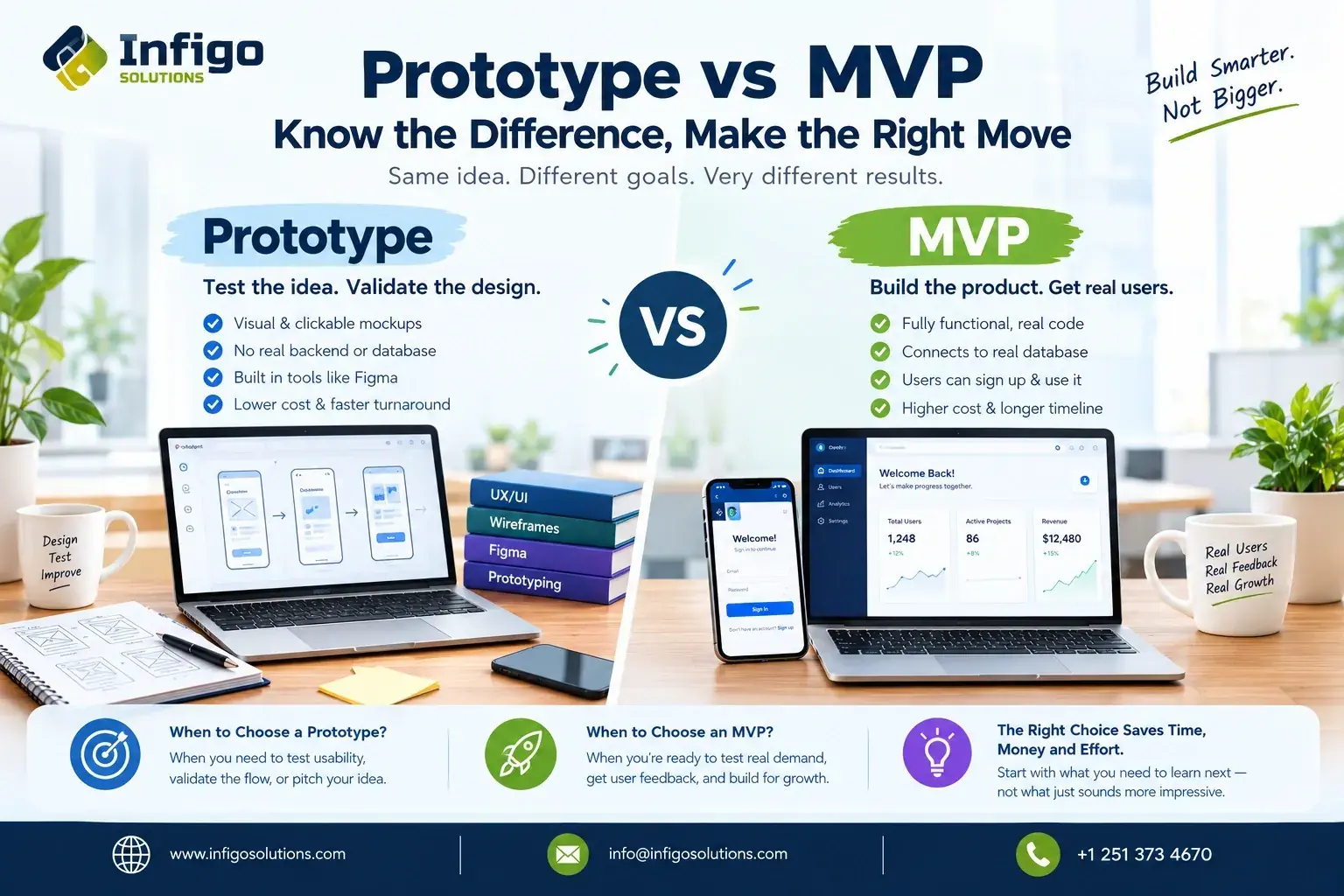
Prototype vs MVP: What's the Difference and Which Do You Need First?
 September 9, 2026
Comments
No comments yet. Be the first to comment!