Legacy System Modernization Services

Modernize legacy applications, outdated technology, and aging infrastructure with a structured approach to improve security, performance, scalability, and maintainability.

Older desktop computer next to a modern laptop

OVERVIEW

Benefits of Legacy System Modernization

Infigo Solutions provides legacy system modernization services for businesses running on aging applications, databases and infrastructure. We assess the current system, then modernize in planned phases through re-architecture, cloud migration and data modernization, keeping the business logic that works and the operations running, so you cut technical debt without a risky full rebuild.

Reduced Technical Debt

Improved System Performance

Enhanced Security & Reliability

Greater Scalability & Maintainability

Request Modernization Audit
Overlay

Recognized for Software Development Excellence

Clutch Top Software Companies 2025 badgeClutch Top .NET Developers Colorado 2026 badgeStripe Services Implementation Specialized Partner badgeAWS Partner Advanced Tier Services badgeGoodFirms Partner badgeClutch Top AI Consulting Company Denver 2026 badgeStripe Services Implementation Specialized Partner badgeClutch Top Artificial Intelligence Company Denver 2026 badgeIAOP 2025 Global Outsourcing 100 badgeClutch Top Artificial Intelligence Company Denver 2026 badge
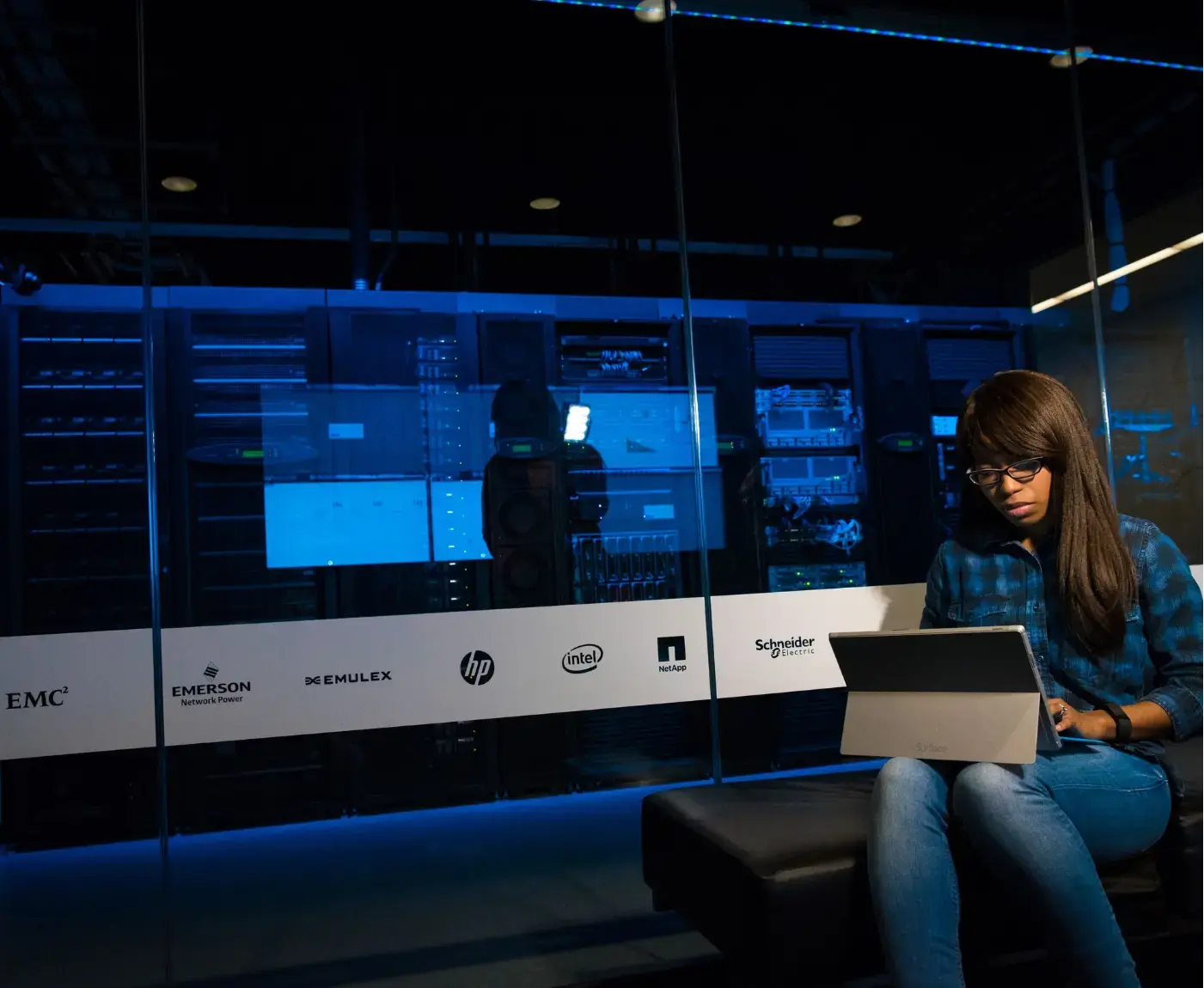
IT engineer working at a server rack

Modernization Planned Around Your Existing Systems

Clutch Client Rating (5.0 / 5)100%
Client Reviews45+

WHY CHOOSE US

Legacy Modernization Built Around Risk and Reliability

Modernize business-critical legacy systems through structured assessment, phased implementation, testing, validation, and migration planning designed to reduce technical and operational risk.

Legacy System Assessment

Phased Modernization

Application Re-Architecture

Cloud Migration

Data Modernization

API & System Integration

Automated Testing & Validation

Documentation & Handover

Discuss Your Modernization about Legacy System Modernization
OUR CAPABILITIES

Legacy System Modernization Services

Legacy system assessment icon

Legacy System Assessment

Assess legacy applications, codebases, databases, infrastructure, dependencies, and technical risks to define a practical modernization roadmap.

Application re-architecture icon

Application Re-Architecture

Modernize monolithic and tightly coupled applications using modular architectures, APIs, and appropriate modern technology patterns.
Data modernization icon

Data Modernization

Modernize legacy databases and data layers to improve maintainability, integration, accessibility, performance, and support for evolving applications.

LEGACY SYSTEM MODERNIZATION

Modernize Legacy Systems for Security, Scale, and Performance

We help businesses modernize legacy applications, outdated software, databases, and aging infrastructure into secure, scalable, and maintainable systems. Our legacy system modernization services address technical debt, performance limitations, integration challenges, and outdated technology while preserving critical business logic and operational requirements.

Depending on your existing environment and modernization goals, we can support application re-architecture, cloud migration, data modernization, API integration, technology stack upgrades, and phased system transformation. Our approach focuses on reducing migration risk while improving security, reliability, performance, scalability, and long-term maintainability.

Engineer working on code across multiple screens

OUR WORK PROCESS

Our Software Development Process

Startup Product Development
Enterprise Software Solutions
1

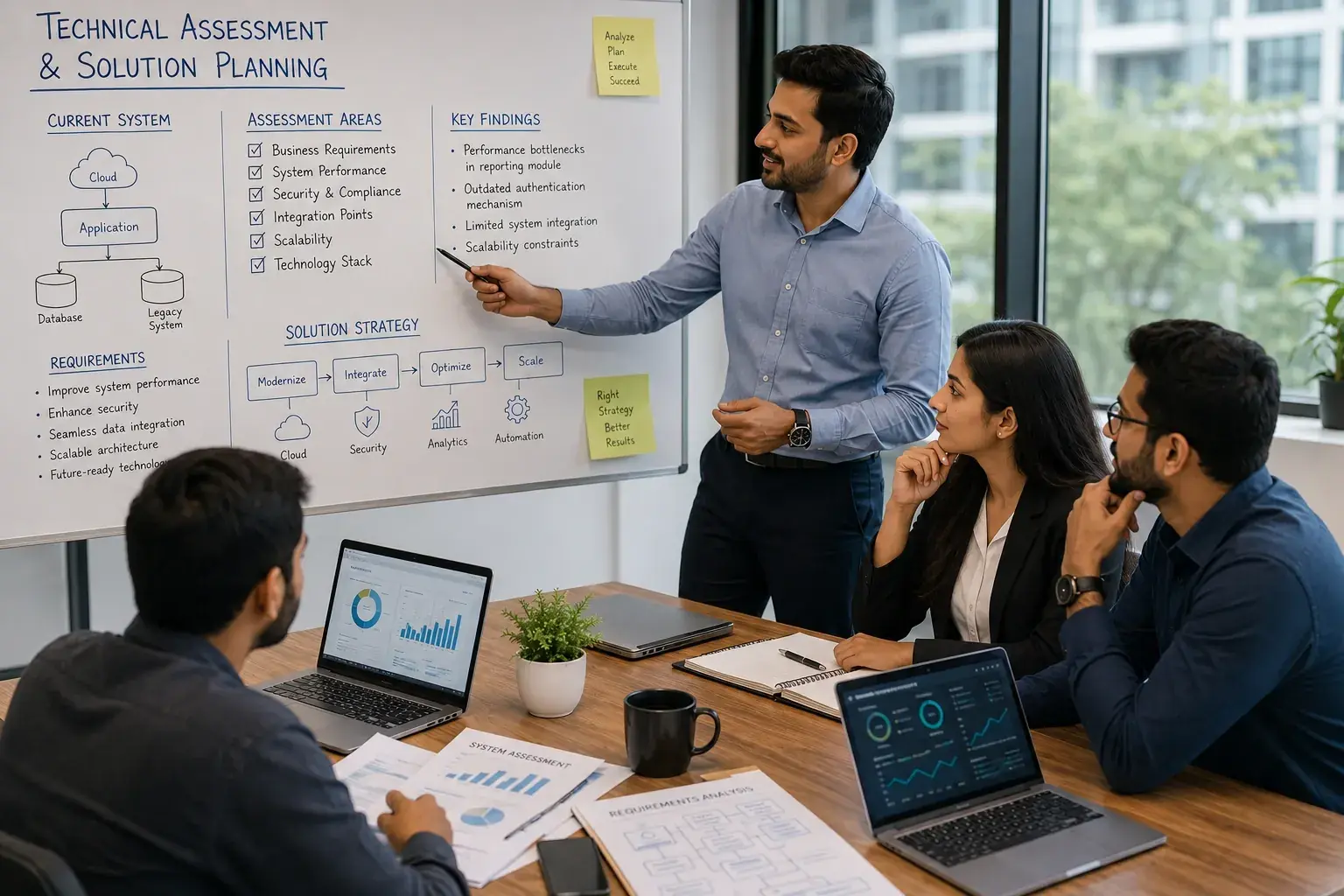
Technical Assessment & Solution Planning

We assess existing systems, business requirements, integrations, and technical challenges to define the right enterprise solution.

2

Solution Proposal & Team Allocation

We create a tailored implementation plan, define the solution architecture, and assign the right engineering team for delivery.

3

Development & Integration

We build, modernize, and integrate scalable software solutions with your existing systems, workflows, and business applications.

4

Deployment & Long-Term Support

We deploy securely, ensure reliable operations, and provide ongoing maintenance, optimization, and software development support.
Our proven process

Case Studies

Real Results With This Service

Software modernization for multi-location retail operations
Retail

Software Modernization for a Multi-Location Retail Business

A multi-location retailer replaced fragmented legacy POS and inventory systems with a unified cloud platform, reducing manual reconciliation by 35%.

Read More about Software Modernization for a Multi-Location Retail Business

Contact Us

Let's Build Your Next Software Solution

Start Your Project

Get Started With Infigo Solutions

We'd love to learn more about your project, goals and requirements. Fill out the form and our team will get back to you as soon as possible.

Team discussion

FAQs

Legacy System Modernization FAQs

Legacy system modernization services help businesses update outdated applications, infrastructure, databases, and technology while preserving important business functionality. Modernization can include re-architecture, cloud migration, technology upgrades, data modernization, API integration, testing, and phased migration.

Modernization may be appropriate when a system becomes difficult to maintain, relies on outdated technology, creates integration limitations, has performance or scalability constraints, or makes it harder to meet evolving security and business requirements.

The appropriate approach depends on the existing system and business requirements. Options can include rehosting, replatforming, refactoring, re-architecting, rebuilding, replacing selected components, or using a phased combination of these approaches.

Yes. Depending on application architecture, dependencies, security requirements, data, and business goals, legacy applications can be migrated or modernized for cloud environments such as AWS, Microsoft Azure, or Google Cloud.

Yes. A complete rebuild is not always required. Some systems can be modernized incrementally by upgrading specific components, introducing APIs, modernizing databases, refactoring selected modules, or migrating workloads in phases.

Modernization risk can be managed through system assessment, dependency mapping, phased implementation, testing, data validation, migration planning, rollback considerations, and monitoring. The appropriate controls depend on the system's architecture and operational requirements.

The timeline depends on system size, architecture, technical debt, integrations, data complexity, modernization approach, testing requirements, and migration scope. A technical assessment is typically needed before defining realistic phases and delivery estimates.