
 September 14, 2026
How to Choose the Right Business and ERP Product for Your Organization
7
Nov
 DisCOM
 Business
 0 Comments
How to Choose the Right Business and ERP Product for Your Organization
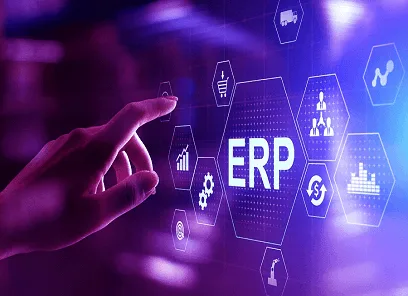
Selecting the right business management and ERP (Enterprise Resource Planning) solution is a critical decision that can significantly impact operational efficiency, productivity, and long-term growth. With numerous ERP products available in the market, choosing the most suitable solution requires careful evaluation of your business requirements, processes, and future objectives.
A well-chosen ERP system serves as the foundation for managing core business operations, enabling organizations to streamline workflows, improve collaboration, and gain greater visibility across departments.
Understand Your Business Requirements
The first step in selecting an ERP solution is gaining a clear understanding of your organization's needs. Before evaluating software options, identify the challenges your business is currently facing and determine the goals you want to achieve.
Consider questions such as:
- Which business processes need improvement?
- What operational challenges are slowing growth?
- Which tasks are currently handled manually?
- What information do employees need better access to?
- What outcomes are expected from the ERP implementation?
A thorough assessment helps establish a clear roadmap for selecting the right solution.
Identify Essential Features and Functionality
Not all ERP systems offer the same capabilities. Some focus primarily on finance and operations, while others provide comprehensive business management functionality across multiple departments.
Common ERP modules include:
- Finance and Accounting
- Sales and Customer Relationship Management (CRM)
- Inventory Management
- Procurement and Purchasing
- Supply Chain Management
- Human Resources
- Project Management
- Customer Service
- Manufacturing Operations
Focus on solutions that address your immediate requirements while providing flexibility for future expansion.
Consider Industry-Specific Requirements
Every industry has unique operational processes, compliance requirements, and reporting needs. Choosing an ERP solution designed to support your industry can reduce customization efforts and improve implementation success.
Industries that commonly benefit from specialized ERP functionality include:
- Manufacturing
- Retail and eCommerce
- Professional Services
- Distribution and Logistics
- Healthcare
- Construction
- Education
- Financial Services
Industry-specific capabilities often help businesses achieve faster results and greater efficiency.
Evaluate Scalability and Growth Potential
An ERP system should support your business as it grows. Selecting a solution that can scale with increasing demands helps avoid costly migrations and system replacements in the future.
When evaluating scalability, consider:
- User growth capacity
- Multi-location support
- International expansion capabilities
- Additional module availability
- Data storage and processing requirements
Cloud-based ERP solutions are particularly effective in supporting business growth due to their flexibility and modular architecture.
Assess Integration Capabilities
Most organizations rely on multiple software applications to manage different business functions. A modern ERP solution should integrate seamlessly with existing systems to ensure smooth data flow and eliminate information silos.
Important integrations may include:
- CRM platforms
- Accounting software
- eCommerce systems
- Business intelligence tools
- Payroll systems
- Customer support applications
- Third-party productivity tools
Strong integration capabilities improve operational efficiency and enhance decision-making.
Prioritize User Experience and Adoption
Even the most advanced ERP system will deliver limited value if employees find it difficult to use. User-friendly interfaces and intuitive workflows play a major role in successful adoption.
Look for solutions that offer:
- Simple navigation
- Mobile accessibility
- Personalized dashboards
- Role-based access
- Minimal learning curves
A positive user experience encourages employee engagement and accelerates return on investment.
Compare Cloud and On-Premises ERP Solutions
Businesses must decide whether a cloud-based or on-premises ERP system best fits their requirements.
Cloud ERP Advantages
- Lower upfront investment
- Faster deployment
- Automatic updates
- Remote accessibility
- Enhanced scalability
- Reduced infrastructure maintenance
On-Premises ERP Advantages
- Greater control over infrastructure
- Custom security configurations
- Internal data hosting
- Support for specific regulatory requirements
For many modern organizations, cloud ERP solutions offer the flexibility and agility needed to support long-term growth.
Evaluate Vendor Expertise and Support
The success of an ERP implementation depends not only on the software but also on the expertise of the implementation partner.
Before making a decision, evaluate:
- Industry experience
- Implementation methodology
- Customer references
- Technical support services
- Training resources
- Post-deployment assistance
An experienced ERP partner can help minimize risks and ensure a smoother transition.
Analyze Total Cost of Ownership
ERP investments involve more than software licensing costs. Businesses should consider the total cost of ownership throughout the system's lifecycle.
Factors include:
- Licensing fees
- Implementation costs
- Training expenses
- Customization requirements
- Ongoing support and maintenance
- Infrastructure costs
Understanding the complete financial impact helps organizations make more informed decisions.
Request Demonstrations and Proof of Concept
Before finalizing an ERP solution, schedule product demonstrations and, where possible, conduct a proof-of-concept exercise. This allows stakeholders to evaluate how well the system supports real business processes.
A demonstration should focus on:
- Daily operational workflows
- Reporting capabilities
- Integration functionality
- User experience
- Industry-specific requirements
Hands-on evaluation often reveals strengths and limitations that may not be evident during initial discussions.
Create an ERP Selection Roadmap
A structured selection process improves decision-making and reduces implementation risks. An ERP selection roadmap should include:
- Business requirements analysis
- Process evaluation
- ERP vendor shortlisting
- Product demonstrations
- Technical assessments
- Cost analysis
- Implementation planning
- Final vendor selection
Following a defined process helps ensure the chosen solution aligns with both current and future business objectives.
Conclusion
Choosing the right business and ERP product is a strategic investment that can transform the way an organization operates. By carefully evaluating business requirements, scalability, integrations, industry-specific functionality, vendor expertise, and long-term growth goals, businesses can select a solution that delivers lasting value.
The right ERP platform not only improves operational efficiency but also provides the foundation for innovation, data-driven decision-making, and sustainable business growth. Organizations that take a thoughtful and structured approach to ERP selection are better positioned to maximize their technology investment and achieve long-term success.
We Are Awesome.
A business consulting agency is involved in the planning, implementation, and education of businesses. We work directly.


.webp "LinkedIn")
Leave a Message
Recent Posts
 September 11, 2026
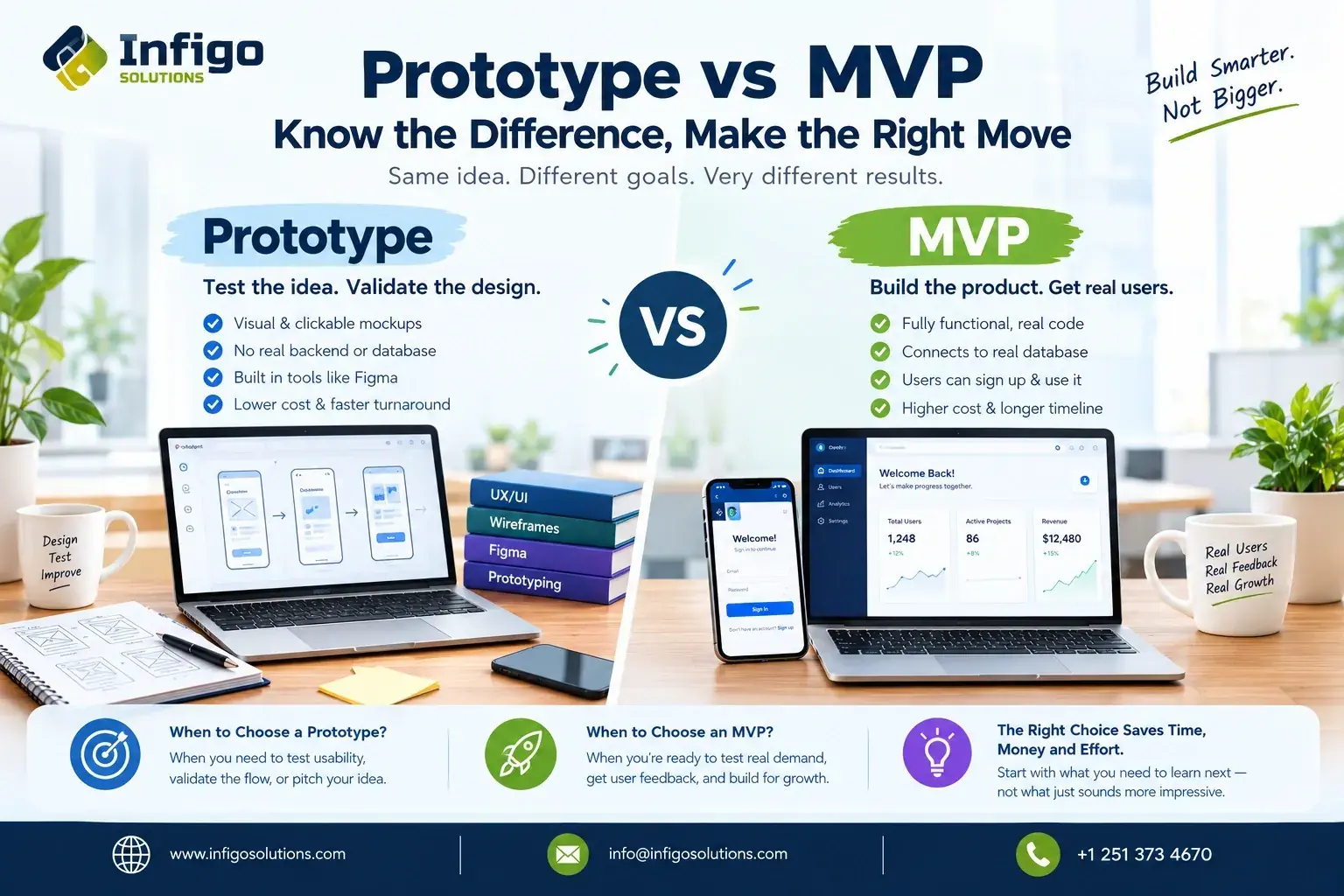
Prototype vs MVP: What's the Difference and Which Do You Need First?
 September 9, 2026
Comments
No comments yet. Be the first to comment!