.webp "Ali Mujtaba")
 September 14, 2026
How To Future-Proof Your Small Business In A Changing Economy

10
Dec
 Ali Mujtaba
 Business
 3 Comments
How To Future-Proof Your Small Business In A Changing Economy
Small businesses today operate in an environment shaped by rapid technological change, shifting customer expectations, and unpredictable economic conditions. What worked a few years ago may no longer be effective, and businesses that fail to adapt risk losing competitiveness.
Future proofing a small business means building resilience, flexibility, and scalability into every aspect of operations so the business can survive uncertainty and continue to grow.
Build a Strong Digital Foundation
A strong digital presence is no longer optional. Businesses that embrace digital tools are better positioned to reach customers, improve efficiency, and adapt quickly to change.
Key areas to focus on include:
- A professional website optimized for mobile and search engines
- Social media engagement and digital marketing
- Cloud-based business applications
- Online payment and eCommerce capabilities
- Customer Relationship Management (CRM) systems
Digital transformation helps small businesses operate more efficiently while expanding their market reach.
Embrace Automation and Smart Technology
Automation reduces manual workload and improves accuracy, allowing small teams to achieve more with fewer resources. Even basic automation can significantly improve productivity.
Examples include:
- Automated invoicing and billing
- Email marketing automation
- Customer support chatbots
- Inventory tracking systems
- Workflow approval automation
As technologies like AI and tools such as Microsoft Copilot become more accessible, small businesses can further streamline operations and decision-making.
Focus on Financial Stability and Cash Flow
Economic uncertainty makes financial management more important than ever. Businesses must closely monitor cash flow and plan for unexpected changes.
Best practices include:
- Maintaining emergency cash reserves
- Tracking income and expenses regularly
- Reducing unnecessary operational costs
- Using financial forecasting tools
- Diversifying revenue sources
Strong financial discipline helps businesses survive downturns and invest in growth opportunities when conditions improve.
Diversify Products, Services, and Revenue Streams
Relying on a single product or customer base increases risk. Diversification creates stability and reduces dependency on one income source.
Small businesses can diversify by:
- Introducing new products or services
- Expanding into new markets or regions
- Offering subscription-based models
- Adding online sales channels
- Partnering with complementary businesses
A diversified business model is more resilient during market fluctuations.
Invest in Customer Experience
Customer loyalty is one of the most powerful assets for a small business. In competitive markets, businesses that provide better experiences retain customers longer and generate repeat revenue.
Focus on:
- Personalized communication
- Fast response times
- Consistent service quality
- Feedback collection and improvement
- Loyalty programs and engagement strategies
Satisfied customers often become long-term advocates for the business.
Strengthen Operational Efficiency
Efficient operations help businesses reduce costs and improve productivity. Streamlining processes allows small teams to achieve more without increasing overhead.
Improvements can include:
- Standardizing business workflows
- Eliminating repetitive manual tasks
- Adopting cloud-based ERP systems
- Improving inventory and supply chain management
- Using real-time reporting tools
Efficient operations create a strong foundation for scalable growth.
Leverage Data for Better Decisions
Data-driven decision-making is essential for staying competitive. Even small businesses can benefit from tracking key performance indicators and analyzing customer behavior.
Benefits include:
- Identifying sales trends
- Understanding customer preferences
- Optimizing marketing strategies
- Improving inventory planning
- Reducing operational waste
Data helps businesses make informed decisions instead of relying on guesswork.
Invest in Your Team’s Skills
Employees play a critical role in adapting to change. A skilled and flexible workforce allows businesses to respond quickly to new challenges.
Focus on:
- Continuous training and upskilling
- Cross-functional learning opportunities
- Digital literacy development
- Leadership development
- Employee engagement and retention
A capable team increases innovation and operational resilience.
Build Scalable Systems and Processes
Scalability ensures that a business can grow without major disruptions or system replacements. Small businesses should choose tools and processes that can expand with their needs.
Key considerations:
- Cloud-based software solutions
- Modular ERP systems
- Flexible staffing models
- Automated workflows
- Scalable infrastructure
Scalable systems reduce future costs and support long-term growth.
Stay Agile and Adaptable
Agility is one of the most important qualities for future-proofing a business. Markets can change quickly, and businesses must be ready to adjust strategies when needed.
To stay agile:
- Regularly review business performance
- Monitor market trends
- Adapt pricing and offerings when required
- Experiment with new business models
- Stay open to innovation
Agile businesses are more likely to survive and thrive during uncertainty.
Work with Technology and Consulting Partners
Small businesses often lack in-house expertise to manage digital transformation effectively. Partnering with experienced consultants can help accelerate growth and reduce risks.
Technology partners can assist with:
- ERP implementation and optimization
- Cloud migration strategies
- Business process improvement
- Automation and AI adoption
- Digital transformation planning
Working with experts such as Infigo Solutions helps businesses implement the right technology solutions aligned with long-term goals.
Conclusion
Future-proofing a small business is not a one-time task—it is an ongoing process of improvement, adaptation, and innovation. Businesses that invest in digital transformation, strengthen financial management, embrace automation, and build scalable systems are better prepared to handle economic uncertainty.
In a rapidly changing economy, success belongs to businesses that stay flexible, data-driven, and customer-focused while continuously evolving with technology and market trends.
We Are Awesome.
A business consulting agency is involved in the planning, implementation, and education of businesses. We work directly.


.webp "LinkedIn")
Leave a Message
Recent Posts
 September 11, 2026
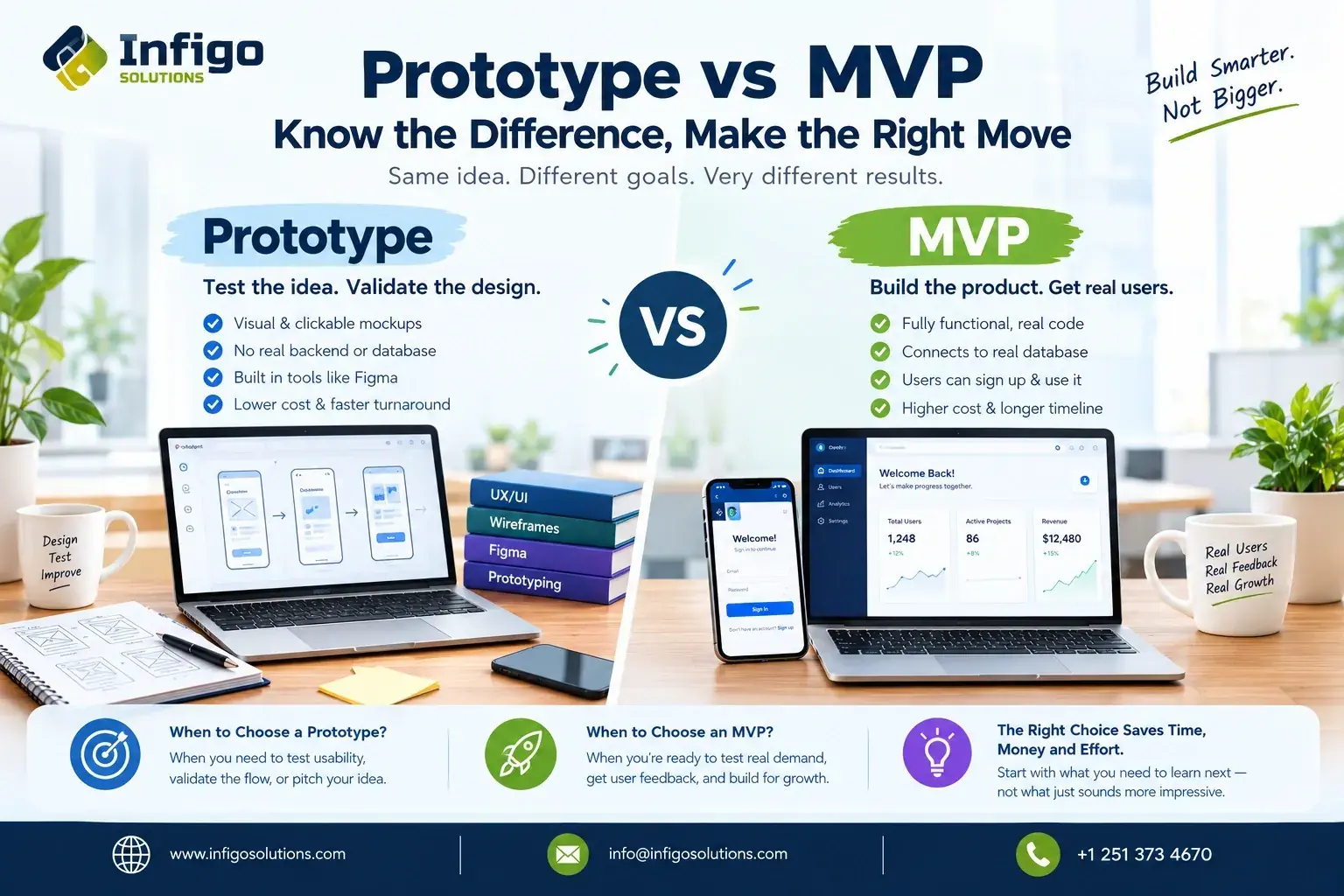
Prototype vs MVP: What's the Difference and Which Do You Need First?
 September 9, 2026
Comments
Harriet Townsend
Jun 26, 2021
Michelle Durant
Jun 23, 2021
Michelle Durant
Jun 23, 2021